
Elton John: ‘Curtains.’
There’s treasure children always seek to find
And just like us
You must have had
A once upon a time
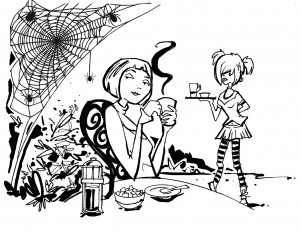
- Once upon a time, there was a woman who discovered she had turned into the wrong person. ( Anne Tyler)
Look at the enigmatic promise of this opening sentence. We are aware of the indeterminate distance of the speaker from her past and the sense of disappointment. We are lulled into a story world straight away. Being ‘wrong’ sounds intriguing and very human. And we are not sure what the outcome of this discovery might be but we know that the story will explore the impact of this revelation through a revisiting of the past. The use of the beautifully vague ‘Once upon a time’ creates the expectation of a story and somehow ‘wrong’ choices sounds very appealing to us. We don’t know the identity of the woman and we have to trust the story to tell us.

B) Once upon a time—of all the good days in the year, on Christmas Eve—old Scrooge sat busy in his counting-house. It was cold, bleak, biting weather: foggy withal: and he could hear the people in the court outside, go wheezing up and down, beating their hands upon their breasts, and stamping their feet upon the pavement stones to warm them. The city clocks had only just gone three, but it was quite dark already—it had not been light all day—and candles were flaring in the windows of the neighbouring offices, like ruddy smears upon the palpable brown air. The fog came pouring in at every chink and keyhole, and was so dense without, that although the court was of the narrowest, the houses opposite were mere phantoms. (Charles Dickens)
Here, Dickens uses the indeterminacy of the past to embark on the story of Scrooge’s transformation through an almost fairy tale description of Scrooge as the Ogre! The unsurprising attribution of ‘good’ to ‘Christmas Eve’ is palpably at odds with the ‘busy’ figure of ‘Old Scrooge’ still at work, ‘counting’ money. This portrait of the Ogre being distinctly avaricious and materialistic is complemented by the use of pathetic fallacy, so we are told of the ‘biting weather’ and yet that Scrooge awareness of humanity’s suffering outside, is reduced to synecdoche through his callous values. Thus he hears only ‘wheezing’ and ‘stamping’ beyond his office foreshadowing his lack of sympathy for the world beyond his office. This description gives immediate representation to Scrooge’s isolation and even to his chosen exile from humanity. The absence of ‘light’ and the insinuating ‘fog’ which is so ‘dense’ that it has its own personality and form, generates the appearance of ‘phantoms’ even before the ghost story gets fully underway. The whole world it seems is a world of shadows, ogres and fairy tale places. And at the centre of it all or so he believes, is Ebenezer Scrooge!
