GCSE English Creative Writing Task: Exercise One – Setting and dialogue with your protagonist.
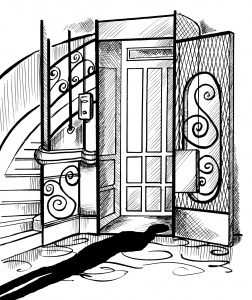
A BELL clanged. Brazen, insistent, maddening.
Through the quiet corridors came the din of it, making hideous the peace of the morning. From each of the yawning windows of the little quadrangle the noise poured out on to the still, sunlit garden where the grass was grey yet with dew. ( Miss Pym Disposes by Josephine Tey)
- The story opens with a morning bell which wakes the protagonist and gives the reader immediate insight into her mind. What do you learn about the protagonist’s character from this opening? Look at the word choice and think about how these choices reveal the temperament and character of the protagonist. Do you feel the protagonist is an outsider to this place with its tolling bells and regulations? Be as imaginative and spontaneous as you like! Can you be sure that you are right in your understanding? Why?
- Stories happen somewhere. Something goes wrong for someone in some place. Thus, the setting of your story can be used to complement your character, offering immediate insights into their life and habits. Think about POV ( Point of View). Of course, you might also use the setting to contrast the character too.
- Task one: Conversation can reveal the personality of a protagonist naturally. So, imagining your character is at a new friend’s birthday celebration in a busy restaurant, give a brief conversation between a waiter and your character, as the latter places their order. Do their food choices offer the reader hints about their personality? How do they feel in this setting where they may not know many people? Why is awkwardness revealing to write about?
- Now imagine that your protagonist is sat next to someone who is very different from them. You might want to think about their differences for a moment. Again, start a conversation between the characters. It could be about food, the restaurant, names, whatever occurs to you in the light of your characters and story. You can include some description of actions and setting and atmosphere too.
- Next, follow one of the characters you have imagined home. Trespass on their property, see what they might own and how their personal objects add to the reader’s understanding of them. Think about their habits, their secrets, maybe birthday cards, pets, old shoes! If these revelations give your character a back story think about the impact of ‘home’ upon the party. Could their behaviour relate to home in ways that others may/may not recognise? Remember misunderstandings propel stories!
- Now decide what can go wrong for your character and escalate the trouble before (maybe) resolving it! For example, if your character is going home on the last bus and has to pay for the meal and transport home, this might influence their choices in the restaurant and affect the way they relate to others. Limitations are very powerful ways of creating drama in any story. Watching the time can be misunderstood in a variety of ways!