

Act One Scene Two.
This scene ironically reveals the precarious nature of King Duncan’s power in a Scotland threatened by Norwegian invaders and rebellious noblemen.
Interestingly, the savagery of the war fought to defend Duncan’s reign is hardly a stark moral contrast to the witches’ pernicious ‘fair is foul’ mantra. However, Duncan does inspire the loyalty of many Thanes too and the audience recognises that the King represents the vulnerable moral heart of Scotland. Unfortunately Duncan’s dependency on the skilful violence of Macbeth to sustain his faltering powers proves dangerous and brings about the King’s downfall.
The testimonies of both the Sergeant and Ross establish the courage, nobility and military brilliance of Macbeth and provide a stark contrast to Macbeth’s serial cowardice and malignity later in the play. This scene is necessary to emphasise how far Macbeth falls morally in the play. His downfall blamed on his fatal hamartia and hubris.
‘What bloody man is that?’ Asks King Duncan as he encounters the Sergeant who had saved his son, Malcolm from death. The sergeant is able to provide a vivid account of the battle just fought. His testimony reveals the extreme violence and courage of Macbeth and Banquo which are indispensable to King Duncan’s Kingship. The opening question of Duncan ironically foreshadows his own murder at the hands of Macbeth.
The mention of the‘revolt’ against Duncan alerts the audience to the unrest in Scotland and the precariously positioned Kingship of the elderly Duncan which most likely makes him vulnerable to usurpers.
Malcolm confirms the trustworthiness of the Sergeant which underlines the authenticity and integrity of his testimony.The Sergeant rescued Malcolm just as Macbeth rescued Duncan from the rebellion of Macdonwald who ‘fortune’ appeared to favour in his ‘damned quarrel’ with Duncan until Macbeth ‘disdaining fortune’ claims victory over this rebellion through his violent destruction of Macdonwald. ‘Unseam’d him from the nave to the chaps.’ The excessive violence of Macbeth reveals his courageous butchery on the battlefield and his lack of intimidation by ‘fortune.’
The beheading of the rebel,‘ fix’d his head upon our battlements’ ironically foreshadows Macbeth’s own slaughter at the hands of Macduff. It is as if one scene reflects and then refracts another, just as Lady Macbeth will end her days trying to wash away the blood stains she so trivialised when her guilt-ridden husband has newly killed Duncan.
The Norwegian invaders are assisted by the traitor Cawdor, whose powers are defeated by Macbeth and Banquo despite the might of the invaders’ army. The testimony of Ross christens Macbeth as ‘ Bellona’s bridegroom’ communicating the seeming invincibility of Macbeth because he acts like the marriage partner of the Roman Goddess of War.
The brutality of the time is reflected in Duncan’s immediate pronouncement of death on Cawdor who was presumably once a loyal subject. Duncan’s ironic decision to bequeath the traitor’s title and wealth on Macbeth as a reward is also spontaneous and even reckless. It will certainly give credence to the witches’ prediction of promotion for Macbeth and will fuel the simmering ambition of the latter. Power corrupts Macbeth. He refuses to be satiated by remaining only a nobleman. He will desire the crown and commit regicide, turning Duncan into a ‘ bloody man.’ Yet the audience may also recognise that the aged king has unwittingly contributed to his own demise through a desperate naivete, a mistake Malcolm declines to make in Act Four’s test of Macduff’s loyalty.
Duncan’s vulnerability is ironically expressed through his foolishly trusting declaration about Cawdor, ‘ what he hath lost, noble Macbeth hath won.’

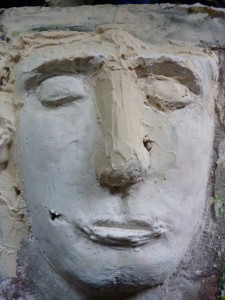
A very thorough and astute look at the play – I think your reading is both original and insightful. I also appreciate your highlighting of a number of key words and phrases. The image is also good – reminds me of start of Orson Welles Macbeth, where the weird sisters make a clay effigy the future king and murder – wonderfully unsettling!